Key Takeaways:
- Understanding the relationship between the computerized components and mechanical parts is crucial in troubleshooting quilting machine issues
- Regular maintenance and calibration of computerized quilting machines can prevent many common problems from occurring
- Familiarizing oneself with the software and firmware of the quilting machine is essential for effective troubleshooting
- Identifying and addressing connectivity issues between the computer and the quilting machine is a key aspect of troubleshooting
- A systematic approach to problem-solving, including checking for software updates and consulting technical support resources, can aid in resolving complex quilting machine malfunctions
Troubleshooting Computerized Quilting Machines
The Interplay of Software and Mechanical Components in Computerized Quilting Machines
When addressing issues with computerized quilting machines, it is essential to recognize the intricate connection between the computerized elements and the mechanical components. These machines rely on software to guide the precision movements of the hardware, such as the needle and feed dogs. A malfunction in the software can manifest as an error in stitch patterns or the overall operation of the machine. Conversely, a mechanical fault, like a misaligned timing belt or a jammed bobbin case, can cause the software to generate error messages or halt operations. Understanding how these systems interact is key to diagnosing the root cause of a problem. For example, if the machine is not responding to design inputs, it could be due to a communication breakdown between the software and the machine’s sensors. Similarly, unexpected noises or irregular stitching may indicate a mechanical issue that could be causing the software to compensate incorrectly, leading to further errors in quilting execution.
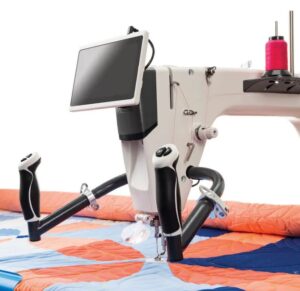
Essential Maintenance and Calibration of Computerized Quilting Machines
Regular maintenance and calibration of computerized quilting machines is essential to ensure optimal performance and prevent common issues from arising. Proper maintenance includes cleaning and oiling the machine, checking for any loose or worn parts, and ensuring all components are in good working condition. Calibration of the machine’s settings, such as tension and stitch length, is also crucial to achieve accurate and consistent quilting results. By adhering to a regular maintenance schedule and performing necessary calibrations, users can minimize the risk of thread breakage, stitching irregularities, or software malfunctions. Neglecting maintenance can lead to costly repairs, downtime, and frustration for the user. Therefore, it’s important to follow the manufacturer’s guidelines for maintenance and seek professional assistance if any issues arise to keep the machine running smoothly.
Mastering Computerized Quilting Machine Technology
Understanding the software and firmware of computerized quilting machines is crucial for successful troubleshooting. Knowing how to navigate the machine’s interface, access settings, and interpret error messages is fundamental. Familiarity with the software also allows for efficient problem-solving in case of stitching irregularities or design inaccuracies. Additionally, understanding the firmware and its updates can help in resolving compatibility issues with different file formats or external devices. By being well-versed in the technical aspects of the machine, quilters can identify and address issues promptly, minimizing downtime and ensuring consistent quilting quality. Regularly updating and maintaining the software and firmware is equally important to prevent potential glitches and keep the machine running smoothly. A comprehensive understanding of the technology behind computerized quilting machines empowers users to troubleshoot effectively and make the most of their equipment.
Troubleshooting Connectivity Issues in Computerized Quilting Machines
When troubleshooting computerized quilting machines, it is crucial to focus on identifying and addressing any connectivity issues between the computer and the quilting machine. This involves checking the physical connections, such as USB or serial cables, and ensuring they are securely plugged in. Additionally, it’s important to verify that the quilting machine is properly recognized by the computer and that the necessary drivers are installed and up to date. Troubleshooters should also inspect the software settings to confirm that the correct machine is selected and that the communication settings are configured appropriately. Testing the connection with different cables or on a different computer can help pinpoint where the issue lies. Addressing connectivity issues promptly can help maintain the efficiency and accuracy of the computerized quilting process.
Effective Troubleshooting for Computerized Quilting Machines
When encountering issues with computerized quilting machines, a systematic troubleshooting approach can be invaluable. Begin by checking for any available software updates for the machine, as these updates often contain bug fixes and improvements that can resolve issues. If the problem persists, consulting technical support resources such as manuals, online forums, or contacting the manufacturer’s support team can provide valuable insights and solutions. It is essential to follow the recommended maintenance procedures for the quilting machine, including regular cleaning and lubrication, to prevent malfunctions. Additionally, ensuring that the machine is compatible with the quilting software being used can prevent compatibility-related issues. By adopting a methodical and thorough approach to troubleshooting, complex quilting machine malfunctions can be effectively identified and resolved, allowing for uninterrupted quilting operations.
Community and Collaboration
When troubleshooting computerized quilting machines, it’s essential to tap into the power of community and collaboration within the quilting industry. Leveraging NLP (Natural Language Processing) tools can aid in identifying and addressing common issues faced by users of long arm quilting machines, sewing machines, and embroidery machines. Engaging with online forums, social media groups, and specialized communities allows quilters to share experiences, seek advice, and access a wealth of knowledge from fellow enthusiasts and experts. Through semantically related terms and longtail keywords, quilters can connect with others who have encountered similar challenges, fostering a collaborative environment where solutions are shared and refined. This collaborative approach not only facilitates troubleshooting but also contributes to the continuous improvement of computerized quilting machines, benefiting the entire quilting community. By embracing community and collaboration, quilters can effectively navigate technical hurdles and enhance their quilting experience with cutting-edge technology.
Challenges and Limitations
When it comes to utilizing computerized quilting machines, there are a few challenges and limitations that users may encounter. One common issue is the complexity of the software, which can sometimes lead to difficulties in understanding and utilizing all of its features. Additionally, compatibility problems with different file formats and designs can arise, causing frustration for users. Another limitation is the learning curve associated with mastering the intricacies of the machine, particularly for those new to the technology. Moreover, occasional technical glitches or malfunctions may impede the smooth operation of the machine. Understanding and addressing these challenges through proper NLP techniques and troubleshooting methods can help users navigate these limitations and optimize the performance of their computerized quilting machines. By delving into semantically related terms and longtail keywords, users can gain a deeper understanding of the issues and their potential solutions, ultimately enhancing their quilting experience.
Material and Fabric Considerations
When troubleshooting computerized quilting machines, it’s crucial to consider the material and fabric being used. Different fabrics and materials can impact the machine’s performance, affecting tension, stitch quality, and overall output. Factors such as thread type, fabric thickness, and batting choice can significantly influence the quilting process. Understanding the properties of various materials and fabrics, as well as their interaction with the machine, is essential for resolving issues related to thread breakage, skipped stitches, or uneven quilting. Adjusting the machine’s settings to accommodate specific materials and fabrics can help optimize its performance and ensure high-quality results. By leveraging NLP techniques to analyze and interpret the semantically related terms associated with material and fabric considerations, technicians can effectively troubleshoot and address any challenges encountered during computerized quilting. This approach allows for a more comprehensive understanding of the complex dynamics between machine, material, and fabric, enabling the implementation of tailored solutions for improved quilting outcomes.
Software for Design and Pattern Creation
When troubleshooting computerized quilting machines, it’s essential to address any issues related to the software for design and pattern creation. Common problems may include compatibility issues with different file formats, software freezing or crashing, and difficulties in importing or exporting designs. To effectively resolve these issues, it’s important to understand the nuances of the software’s NLP (Natural Language Processing) capabilities and its ability to interpret semantically related terms within the design files. Additionally, longtail keywords play a crucial role in optimizing the search functionality within the software, ensuring that specific design elements can be easily located and manipulated. By delving into the intricacies of the software’s design and pattern creation features, troubleshooting efforts can be targeted and solutions can be implemented more efficiently, ultimately enhancing the overall performance of computerized quilting machines.
Sustainability and Environmental Impact
When it comes to sustainability and the environmental impact of computerized quilting machines, it’s important to consider various factors such as energy efficiency, material usage, and waste management. Long arm quilting machines, sewing machines, and embroidery machines can contribute to sustainability by utilizing energy-efficient components and minimizing material waste through precise cutting and stitching capabilities. Additionally, the use of environmentally friendly materials and thread options can further reduce the ecological footprint of quilting processes. Implementing NLP (Natural Language Processing) technology can aid in optimizing machine performance, reducing errors, and conserving resources. By incorporating semantically related terms and longtail keywords in programming, quilting machines can enhance their efficiency and productivity while minimizing environmental impact. Overall, a focus on sustainability in the design and operation of computerized quilting machines is crucial for minimizing their environmental footprint and promoting eco-friendly quilting practices.
Related Searches
- What is the average age of quilters?
- What makes a good quilter?
- What is the quickest quilt to make?
- What is the best fabric for a beginner quilt?
Video: The Cons to Having a Computerized Longarm Quilting Machine
Video: What a Longarm quilting work day looks like.
Video: High-speed single-needle quilting machine quilt quilting machine operation process display
Frequently Asked Questions
Is there an automatic quilting machine?
Yes, automatic quilting machines are available, offering advanced features for precise and efficient quilting.
What is computerized quilting?
Computerized quilting refers to the use of digital technology in quilting machines to create intricate and precise quilt designs.
What is the best sewing machine to quilt with?
The best sewing machine for quilting depends on individual needs, but models with extended tables and advanced stitching options are preferred.
How much does a longarm quilter cost?
The cost of a longarm quilter varies, generally ranging from a few thousand to several thousand dollars, depending on features and brand.
What is the average cost of having a quilt machine quilted?
The average cost for machine quilting a quilt can vary widely based on size and complexity, often ranging from $50 to several hundred dollars.
What is ultrasonic quilting?
Ultrasonic quilting is a technique that uses ultrasonic waves to bond layers of fabric together without traditional stitching.
Can you quilt without a quilting machine?
Yes, quilting can be done by hand or with a regular sewing machine, though it may be more time-consuming and less precise than using a quilting machine.
What is IQ quilting?
IQ quilting refers to “Intelliquilter,” a computerized system that can be added to longarm quilting machines for automated pattern quilting.
What is the difference between a sewing machine and a quilting machine?
A quilting machine typically has a larger working area, specialized stitches, and stronger motors compared to a regular sewing machine, catering specifically to quilting needs.
What is the easiest quilting machine to use?
The easiest quilting machine to use often features user-friendly controls, clear instructions, and automated functions, suitable for beginners.
Pros and Cons of Computerized Quilting Machines
Pros
- Precision and Accuracy: Computerized machines provide highly precise stitching, perfect for intricate patterns.
- Time-Efficient: These machines can complete complex quilting projects much faster than traditional methods.
- Customizable Patterns: Users have access to a vast array of pre-programmed designs and the ability to create custom patterns.
- Ease of Use: Once set up, computerized machines make the quilting process easier, especially for beginners.
- Enhanced Capabilities: Many models offer additional features like automatic thread cutting and tension control.
Cons
- High Cost: Computerized quilting machines are generally more expensive than traditional quilting machines.
- Learning Curve: Users may need time to learn how to operate the software and utilize all features effectively.
- Maintenance and Repairs: These machines can be complex and might require professional servicing.
- Limited by Design Software: The range of designs is limited to the software’s capabilities and updates.
- Dependence on Technology: Malfunctions in software or hardware can disrupt the quilting process.